




Yuk Kuliah di Kanada! Ini Dia Persyaratan Bahasanya
Kanada adalah tujuan yang sangat diunggulkan bagi mahasiswa internasional yang ingin belajar di luar negeri. Untuk diterima studi di Kanada […]

Kanada adalah tujuan yang sangat diunggulkan bagi mahasiswa internasional yang ingin belajar di luar negeri. Untuk diterima studi di Kanada […]
Discover how to meet language requirements for Canadian universities. IELTS, TOEFL, GRE, and more. Canada attracts international students who wish
Ultimate EducationAre you considering pursuing a master’s degree in China? The Yenching Academy of Peking University is currently offering scholarships
Buka pendidikan sepenuhnya didanai di Turki untuk mahasiswa internasional. Segera ajukan untuk program-program beragam dan peluk peluang global.
Unlock fully funded education in Turkey for international students. Apply now for diverse programs and embrace global opportunities.

The primary distinction shows how the IELTS test administers: in the paper-based version, candidates write their answers on the exam paper, while in the computer-based version, they type their responses on a computer. In terms of test format, question types, and time allocations, the two versions are largely similar, with the main difference being the test day experience.
If you opt for the paper-based IELTS test, you will complete the Listening, Reading, and Writing sections on paper, while the Speaking test remains face-to-face with expert examiners. Below, we will delve into the key points comparing the IELTS paper-based and computer-based tests.
Temukan perbedaan antara tes IELTS berbasis kertas dan berbasis komputer – mulai dari bahan hingga pengalaman hari ujian.
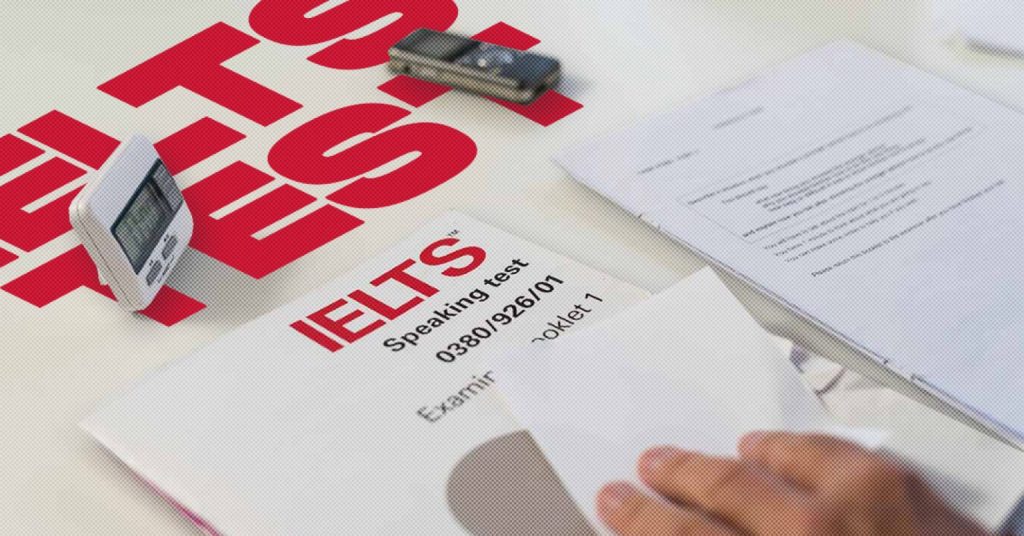
In the first part of the IELTS speaking test, the examiner will begin by introducing themselves and then ask you to introduce yourself. You will typically be asked about familiar topics such as your name, hometown, studies, work, and interests. These questions are designed to put you at ease and help you get comfortable speaking in English. The purpose of Part 1 is to assess your ability to provide basic information and engage in a casual conversation.
To perform well in this section, it is important to answer naturally and confidently. Try not to memorize responses, as examiners can easily detect rehearsed answers. Instead, focus on being clear, organized, and relaxed. For example, when talking about your hometown, you can describe where it is located, what it is famous for, and why you like it. This will show your ability to extend answers beyond short responses and demonstrate a wider range of vocabulary and grammar.
