




The Ivy League universities are a prestigious group of higher education institutions located in the United States. They are known for their high educational standards, rigorous admissions process, and strong reputation. This article will outline the universities included in the Ivy League and reveal the reasons why they are a popular choice for many students.
Pursuing education at an Ivy League institution is often seen as a gateway to exceptional opportunities, not just in academia but also in professional networks and career advancement. These universities have produced some of the world’s most influential leaders, innovators, and thinkers, making them highly sought after by ambitious students globally. In this comprehensive guide, we’ll delve deeper into what makes the Ivy League unique, exploring its history, member institutions, admission challenges, and more, to help you understand if it’s the right fit for your educational aspirations.
What is the Ivy League?
The Ivy League is a consortium of eight leading educational institutions in the United States. The term “Ivy League” itself derives from the ivy plant, which is often used in the symbols and emblems of these universities. They are known as symbols of academic excellence, rich history, and elite tradition.
Originally formed in 1954 as an athletic conference, the Ivy League has evolved into a synonym for top-tier education. The ivy vines that climb the historic buildings of these campuses symbolize growth, endurance, and timeless prestige. Students at Ivy League schools benefit from small class sizes, world-class faculty, and extensive resources that foster intellectual curiosity and innovation. Whether you’re interested in STEM fields, humanities, or business, the Ivy League offers unparalleled opportunities to engage in cutting-edge research and interdisciplinary studies.
Read also: Fully Funded Scholarships 2023 – Opportunity to Get Fully Funded Scholarships for This Year
List of Universities in The Ivy League
Here is a list of universities that are part of the Ivy League:
Each of these institutions has its own unique strengths, campus culture, and contributions to global knowledge. From urban settings to serene rural landscapes, the diversity in locations and programs ensures that there’s an Ivy League school suited to various preferences and academic interests. Let’s explore each one in more detail, highlighting their founding years, locations, and standout programs to give you a better sense of what they offer.
Harvard University
- The oldest university in the country, it was established in 1636.
- Located in Cambridge, Massachusetts.
- Known for its distinguished academic offerings in the fields of social sciences and humanities.
Harvard’s legacy includes a vast library system, the largest academic library in the world, and numerous museums that enrich the learning experience. Students here engage in groundbreaking research, often collaborating with Nobel laureates and industry leaders. The university’s emphasis on liberal arts education encourages critical thinking and a broad worldview, preparing graduates for diverse careers in government, tech, and beyond. For those interested in entrepreneurship, Harvard’s proximity to Boston’s innovation hub provides invaluable networking opportunities.
Yale University
- Established in 1701, it is the second oldest university in the United States.
- Located in New Haven, Connecticut.
- Well-known for its excellence in law, liberal arts, and natural sciences.
Yale stands out for its residential college system, which fosters a close-knit community atmosphere akin to Oxford and Cambridge. This setup promotes interdisciplinary discussions and lifelong friendships. The university’s law school is particularly renowned, having educated multiple U.S. presidents and Supreme Court justices. In the sciences, Yale’s investments in quantum computing and environmental research position it at the forefront of solving global challenges. Aspiring artists and performers will find Yale’s drama and music programs to be world-class, with alumni dominating Broadway and Hollywood.
Princeton University
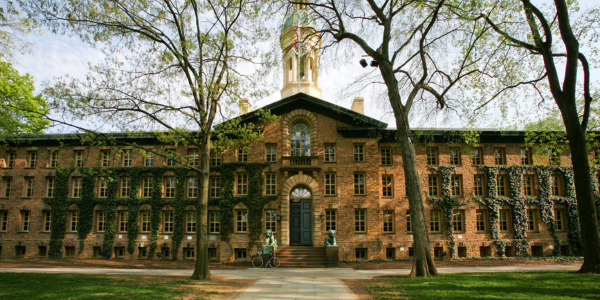
- It is one of the country’s oldest universities and was established in 1746.
- Located in Princeton, New Jersey.
- Noted for its programs in humanities, sciences, and engineering.
Princeton’s focus on undergraduate education is unparalleled, with a low student-to-faculty ratio that ensures personalized attention. The university’s Woodrow Wilson School of Public and International Affairs trains future diplomats and policymakers. In engineering, Princeton excels in areas like aerospace and plasma physics, contributing to advancements in space exploration and energy. The campus’s Gothic architecture and beautiful grounds provide an inspiring environment for study and reflection, while its eating clubs add a unique social dimension to student life.
Columbia University

- Established in 1754, it is the fourth oldest university in the United States.
- Situated in the bustling metropolis of New York City, New York.
- Renowned for its excellence in journalism, law, and social sciences.
Columbia’s urban location in Manhattan offers unparalleled access to internships, cultural events, and professional networks in finance, media, and the arts. The Core Curriculum, a hallmark of Columbia education, exposes students to great works in literature, philosophy, and science, fostering well-rounded intellectuals. Its journalism school has shaped modern reporting, while the Earth Institute addresses pressing environmental issues. For those passionate about global affairs, Columbia’s international programs and diverse student body provide a truly cosmopolitan experience.
Read also: The 5 Best Universities In The United States And Why
University of Pennsylvania
- It is one of the country’s oldest universities and was established in 1740.
- Located in Philadelphia, Pennsylvania.
- Known for its excellence in business, law, and medicine programs.
Founded by Benjamin Franklin, Penn embodies a practical, interdisciplinary approach to education. The Wharton School is the world’s first collegiate business school and remains a leader in finance and entrepreneurship. Penn’s medical school pioneers advancements in biotechnology and healthcare. The university’s urban campus in historic Philadelphia offers rich cultural experiences, from museums to revolutionary sites, enhancing studies in history and urban planning. Students benefit from Penn’s strong emphasis on community service and global engagement initiatives.
Brown University
- Established in 1764, it is the newest member of the Ivy League.
- Located in Providence, Rhode Island.
- Renowned for its innovative programs in liberal arts and research.
Brown’s Open Curriculum allows students unparalleled freedom to design their own academic path, encouraging exploration and creativity. This flexibility is ideal for those with interdisciplinary interests, such as combining computer science with visual arts. The university excels in cognitive sciences and public health research. Providence’s vibrant arts scene complements Brown’s strong programs in creative writing and performing arts. With a collaborative rather than competitive atmosphere, Brown fosters innovation and social entrepreneurship among its students.
Dartmouth College

- Established in 1769, it is the oldest university in the state of New Hampshire.
- Located in Hanover, New Hampshire.
- Well-known for its strong education in social sciences and sciences.
Dartmouth’s rural setting promotes a tight-knit community and outdoor activities, with access to skiing, hiking, and the Dartmouth Outing Club. As a college rather than a university, it prioritizes undergraduate teaching while offering graduate programs. Strengths include environmental studies, leveraging its location in the Appalachian Mountains, and the Tuck School of Business for MBA aspirants. Dartmouth’s Greek life and traditions like the Winter Carnival add to its unique campus culture, balancing rigorous academics with social engagement.
Cornell University

- Founded in 1865, it is an Ivy League university situated in a rural area.
- Located in Ithaca, New York.
- Noted for its robust research programs in various fields of study.
Cornell’s motto, “Any person… any study,” reflects its comprehensive range of programs, from agriculture to hotel management. The university’s land-grant status emphasizes practical application, with strong ties to industry. Its veterinary medicine and architecture programs are top-ranked, and the tech campus in New York City expands opportunities in digital innovation. Ithaca’s gorges and lakes provide a scenic backdrop for studies in ecology and sustainability, while Cornell’s diverse colleges allow for specialized education within a large research institution.
Read also: Why Studying in the US Is a Choice, Know This First
Criteria For Ivy League Membership

To become a member of the Ivy League, universities must meet certain criteria, such as high educational standards, extremely selective admissions, strong curriculum, and a good reputation in research and teaching. Ivy League also prioritizes academic excellence, leadership talent, and social contributions in the admissions process.
Membership in the Ivy League isn’t something universities can apply for; it’s a fixed group established historically. However, the criteria that define these schools include endowment sizes in the billions, which fund scholarships and research; alumni networks that span global industries; and a commitment to need-blind admissions for U.S. citizens. These elements ensure that Ivy League institutions can attract top talent and maintain their status as leaders in higher education. For prospective students, understanding these criteria highlights the holistic evaluation process beyond just grades.
History and Reputation of The Ivy League
The Ivy League has a long history that dates back to the 17th century with the establishment of Harvard University. Over time, the reputation of the Ivy League has grown, and they have become symbols of academic excellence. Many notable figures in politics, business, and culture have emerged from these universities.
The term “Ivy League” was coined in the 1930s by sports writers, referring to the ancient ivy-covered buildings and the athletic rivalry among these schools. Their reputation stems from centuries of producing U.S. presidents, Fortune 500 CEOs, and Nobel Prize winners. This history instills a sense of tradition and excellence, attracting donors and researchers. However, it also comes with expectations for graduates to contribute positively to society, emphasizing ethical leadership and public service as core values.
Excellence in Education at The Ivy League
Education in the Ivy League is known for its excellence in providing a challenging and supportive academic environment. Quality faculty, modern facilities, and abundant research resources attract students. They also offer comprehensive study programs and opportunities for practical learning beyond the classroom.
What sets Ivy League education apart is the emphasis on seminar-style classes, where students debate ideas with professors who are leaders in their fields. Facilities like state-of-the-art labs and libraries support hands-on learning, while study abroad programs and internships provide real-world experience. This holistic approach not only imparts knowledge but also develops skills in problem-solving, communication, and adaptability—essential for success in today’s dynamic job market. Many programs incorporate service-learning, connecting academic pursuits with community impact.
Read also: What is the minimum IELTS test score for studying abroad? There is a University of Your Destination…
Rigorous Admissions Process

The admissions process to Ivy League universities is highly competitive. Many talented candidates with outstanding academic records compete for a place. Admissions decisions are often based on various factors, including academic achievements, extracurricular accomplishments, standardized tests, application essays, and recommendations.
With acceptance rates often below 5%, the process demands authenticity and passion. Admissions officers look for “fit”—how an applicant will contribute to campus diversity and discourse. Tips for success include starting early on standardized tests like SAT/ACT, building a coherent narrative in essays, and securing strong letters of recommendation. Demonstrating resilience through challenges or unique experiences can set an application apart. Prospective students should also consider early decision options if an Ivy is their top choice, though it’s binding.
Education Costs and Scholarships
The cost of education at Ivy League universities can be high. However, these universities also provide various forms of financial aid and scholarships to assist financially disadvantaged students. There are scholarship programs available based on financial need, academic achievements, talents, and social contributions.
Tuition can exceed $80,000 annually, but need-based aid ensures that family contributions are affordable. All Ivies are need-blind for U.S. applicants, meaning finances don’t affect admissions. International students may face different policies, but merit scholarships exist. To maximize aid, file the FAFSA and CSS Profile early, and explore external scholarships. Many graduates find the investment worthwhile due to high earning potential, with average starting salaries well above national averages.
Impact of Ivy League Graduates
Graduates from Ivy League universities often have an advantage in entering the workforce. The renowned university names and extensive alumni networks open doors of opportunities in various industries and professions. Ivy League graduates are also considered to possess strong skills, knowledge, and critical thinking, which are valuable assets in their careers.
The “Ivy advantage” extends to higher lifetime earnings and leadership roles. Alumni networks facilitate mentorship and job placements, with events like career fairs attracting top employers. Skills honed at Ivies—analytical thinking, research proficiency, and global awareness—align with demands in tech, finance, and policy. Many pursue advanced degrees, further enhancing their impact. However, success also depends on individual initiative; the degree opens doors, but personal drive walks through them.
Read also: LPDP Scholarship: Opportunity to Realize Dreams of Studying Abroad
Famous Alumni From The Ivy League

The Ivy League has produced many notable alumni in various fields. Some examples of famous Ivy League alumni include Bill Gates (Harvard), Barack Obama (Columbia and Harvard), Warren Buffett (Columbia), and Sonia Sotomayor (Princeton and Yale). Their success serves as inspiration for many aspiring students who aspire to join the Ivy League.
These alumni exemplify the transformative power of Ivy education. Gates revolutionized technology, Obama shaped U.S. policy, Buffett mastered investing, and Sotomayor advanced justice. Other notables include Ruth Bader Ginsburg (Columbia), Jeff Bezos (Princeton), and Elon Musk (Penn, though he transferred). Their stories highlight diverse paths: some dropped out to pursue ventures, others climbed traditional ladders. Aspiring students can draw insights from their perseverance, innovation, and commitment to societal good.
Competition Among Ivy League Universities
Competition among Ivy League universities is fierce. Each university strives to maintain its reputation as the top educational institution and attract the best students from around the world. They also often collaborate on various academic and research initiatives to advance education.
This rivalry manifests in rankings, endowments, and program innovations, pushing each school to excel. Yet, collaborations like joint research on climate change or shared online courses demonstrate unity. For students, this means access to the best resources across institutions. Understanding this dynamic helps applicants choose based on fit rather than prestige alone, considering factors like campus size, location, and specific departmental strengths.
Criticism of The Ivy League
Despite its strong reputation, the Ivy League has also faced criticism. Some argue that the highly selective admissions process and high education costs limit access to quality education for students from low-economic backgrounds. Additionally, some highlight the lack of diversity in the student and faculty populations in the Ivy League.
Critics point to legacy admissions favoring alumni children, potentially perpetuating inequality. Diversity efforts have improved, but representation of underrepresented minorities and low-income students remains a challenge. High costs, even with aid, can deter applicants. In response, Ivies have expanded outreach, eliminated loans in aid packages, and committed to carbon neutrality. These criticisms spur ongoing reforms, making the institutions more inclusive while maintaining excellence.
Other Universities With Similar Reputations
Apart from the Ivy League, there are other universities with similar reputations in providing high-quality education. Examples of such universities include Stanford University, Massachusetts Institute of Technology (MIT), California Institute of Technology (Caltech), University of Chicago, and Northwestern University. Although not part of the Ivy League, these universities still attract many students seeking an excellent educational experience.
These “Ivy Plus” schools often surpass Ivies in specific fields: Stanford in entrepreneurship, MIT in engineering, Caltech in physics. They offer similar resources, selectivity, and outcomes. For international students, considering these alternatives broadens options, especially if location (e.g., West Coast) or program focus aligns better. Ultimately, fit and personal growth matter more than labels in choosing a university.
Read also: Tips for Successful Interview Scholarships for Studying Abroad
Ivy League universities are prestigious higher education institutions that offer high-quality education, a strong reputation, and extensive alumni networks. They play a significant role in shaping the future of many ambitious students. However, it is important to remember that there are many other quality university options outside the Ivy League that can also provide an outstanding education.
In conclusion, while the Ivy League represents the pinnacle of academic prestige, success in higher education depends on individual effort, passion, and the right institutional fit. Whether you aim for an Ivy or another top school, focus on building a strong application that showcases your unique strengths and aspirations.
FAQ (Frequently Asked Questions)
1. How can one get admitted to an Ivy League university?
The admissions process to Ivy League universities is highly competitive. Prospective students need to have a strong academic record, perform well in required standardized tests, and submit standout application essays. Additionally, they should demonstrate achievements beyond academics and leadership abilities.
To boost chances, engage in meaningful extracurriculars that align with your passions, seek challenging coursework like AP/IB, and craft essays that reveal your personality. Practice for interviews, and consider campus visits to demonstrate interest. Remember, admissions are holistic, so authenticity is key.
2. Are all Ivy League universities located in the United States?
Yes, all Ivy League universities are located in the United States. Each university has a different location in several states.
Spanning the Northeast, from Massachusetts to New York, this regional concentration facilitates inter-school collaborations and rivalries, particularly in sports.
3. Is education in the Ivy League limited to specific fields only?
No, the Ivy League offers a wide range of study programs in various fields, including social sciences, humanities, sciences, engineering, liberal arts, and more. Students have many choices to pursue their interests.
From emerging fields like data science to classics, Ivies provide flexibility for double majors or custom concentrations, catering to evolving career landscapes.
4. Are all Ivy League graduates successful in their careers?
There is no guarantee that all Ivy League graduates will achieve success in their careers. However, a quality education, strong alumni networks, and the universities’ reputation can provide an advantage in entering the job market.
Success varies by definition—financial, personal, or societal impact—but the skills acquired often lead to fulfilling paths.
5. Does Ivy League provide scholarships for financially needy students?
The Ivy League universities have financial aid programs and scholarships to assist financially disadvantaged students. Students can explore further information about the financial assistance options offered by each university.
Aid is generous, often meeting 100% of demonstrated need without loans, making Ivies accessible regardless of background.
Maximizing Opportunities When Applying to the Top Universities in the World

Education abroad, particularly at Ivy League institutions, is pursued primarily to improve the caliber of education. Therefore, it’s essential to ensure that if you plan to send your child to one of these universities, you not only prepare financially but also pay attention to several critical factors.
Beyond finances, cultural adaptation, mental health support, and long-term career planning are crucial. Engage with alumni or counselors for insights, and encourage independence to thrive in a new environment.
Developing Successes in the Essay
Applicants are typically required to submit a resume as part of the registration procedure. The essay is a crucial starting point because the university will evaluate the applicant’s personality and interests based on the essay and the essay should discuss the applicant’s educational background, motivation for studying at that specific institution, and future goals.
The essay reveals to the university whether or not your child is a good match for their educational program. Highlight any academic accomplishments pertinent to the major. In addition to winning competitions, these accomplishments may also include participation in seminars or conferences.
Additionally, the essay should be interesting and well-written. Such an essay cannot be composed in a single day. Your child should begin working on the essay well in advance, even before applying.
To make essays compelling, use storytelling to illustrate growth from experiences. Research the school’s values and tie them to your goals. Multiple drafts and feedback loops are essential for polishing.
Obtain Assistance with Essay Editing
English language proficiency is an absolute prerequisite for studying abroad. Before beginning the registration procedure, the majority of applicants are well-prepared. However, even if your child has exceptional English skills, it is advisable to have the essay reviewed by others.
While conversational English skills are essential, there can be differences between conversational language and written language. Therefore, it is essential to have someone else proofread the essay. In addition to correcting grammar and punctuation, a proofreader ensures that the essay is well-structured and interesting. A expert proofreader can aid in effectively communicating the intended message.
Seek editors from teachers, counselors, or professional services familiar with Ivy applications. They can enhance clarity without altering your voice.
Choose the Appropriate Recommender
To gain admission to the finest universities in the world, including those in the Ivy League, your child will typically be required to submit academic or professional recommendations. These recommendations aid institutions in evaluating your child’s aptitude based on previous accomplishments.
Applicants are required to identify a person who can provide a recommendation and explain why their child is a good candidate for admission.
Ensure that the recommender has a close relationship with you or your child and a pertinent academic background when choosing one. It is crucial that the recommender can attest to your child’s academic accomplishments and has an academic connection to your child’s intended course of study.
These tips can help your child navigate the application process for Ivy League universities in the United States with greater ease. In addition, ensure that all necessary documents and supplementary materials are prepared in advance.
Provide recommenders with your resume and specific examples to make letters detailed and personal. Waive your right to view them for credibility.