




Studying in the U.S. attracts many international students because of its top universities and strong academic reputation. However, it’s vital to consider the expenses associated with studying in the USA. Tuition is a major cost, with public universities typically being cheaper than private ones. Beyond tuition, factors like location, lifestyle choices, and additional fees can greatly influence the overall budget. For instance, studying in major cities like New York or San Francisco often comes with higher living costs compared to smaller towns or rural areas. It’s advisable for prospective students to research thoroughly and create a detailed financial plan that accounts for both expected and unexpected expenses to ensure a smooth educational journey without financial stress.
The cost of education in the USA for international students typically falls in the range of $7,000 to $55,000 per year. It is crucial for international students to carefully plan their available funds, as the cost of studying in the USA covers various expenses, including university fees and cost of living. This planning should include exploring financial aid options, part-time job opportunities, and budgeting strategies to manage expenses effectively. Many students find that creating a monthly budget helps track spending on essentials like food, transportation, and entertainment, preventing overspending and allowing for some flexibility in their finances. Understanding currency exchange rates and how they fluctuate can also impact the actual cost in your home currency, so keeping an eye on economic trends is beneficial.
While the United States offers quality education, it’s essential to have a comprehensive understanding of the expenses involved before deciding to study there. These expenses encompass course fees, accommodation costs, travel expenses, and living costs. While the average college fees in the U.S range from $7,000 to $55,000 per year. To make an informed decision, students should compare programs across different institutions, considering not just the sticker price but also the return on investment in terms of career opportunities and alumni networks. Engaging with current students or alumni through forums and social media can provide real-world insights into hidden costs and ways to save money, such as opting for shared housing or using student discounts on public transport and cultural events.
The cost of studying in the USA can vary significantly, ranging from $7,000 to $55,000 per year. This cost is influenced by factors such as the chosen program, course, university, city, and others. Universities are typically categorized into public and private institutions. Public universities often receive state funding, which helps keep tuition lower for in-state residents, but international students usually pay out-of-state rates. Private universities, on the other hand, rely more on tuition and endowments, leading to higher fees but potentially more scholarships and smaller class sizes. When selecting a university, it’s wise to factor in the total cost of attendance, which includes tuition, fees, room and board, books, and personal expenses, as published by each institution on their websites.
Read also: 8 Best Entrance Exams to Study Abroad
Private Universities
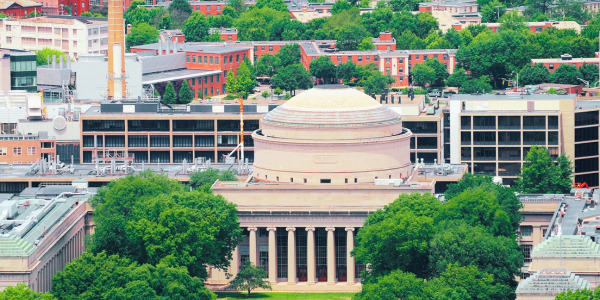
The USA is home to several top-ranked universities, offering excellent opportunities for higher education and career advancement. It is important to note that government-funded institutions usually have lower tuition fees compared to private ones. International students seeking to reduce educational expenses can explore various scholarships offered by U.S. universities, which may cover tuition fees and living costs. Below is a list of affordable universities in the USA that offer various courses and programs, along with their tuition fees in USD. Private universities often provide a more personalized educational experience with access to cutting-edge facilities and renowned faculty. However, the higher costs necessitate careful financial planning, including applying for merit-based scholarships, need-based aid, or even assistantships that can offset expenses while gaining valuable experience. Many private institutions also have robust career services that help students secure internships and jobs, potentially leading to higher earning potential post-graduation, which can justify the initial investment.
- Massachusetts Institute of Technology (MIT) | Private | Tuition Fees: $50,000 – $55,000: MIT is a renowned private institution known for its cutting-edge research and technology-focused programs. Tuition at MIT typically falls within the range of $50,000 to $55,000 per year. Students at MIT benefit from a vibrant campus life, collaborative projects, and access to world-class labs, which foster innovation and entrepreneurship. For international students, MIT offers need-blind admissions and meets full demonstrated financial need, making it accessible despite the high tuition. Graduates often enter high-demand fields like AI, robotics, and biotechnology, with strong alumni networks supporting career growth globally.
- Stanford University | Private | Tuition Fees: $25,000 – $55,000: Stanford University, a prestigious private university, offers a diverse range of programs. Tuition costs range from $25,000 to $55,000 annually, with variations based on the specific program. Located in Silicon Valley, Stanford provides unparalleled opportunities for networking with tech giants and startups, ideal for students in business, engineering, or computer science. The university emphasizes interdisciplinary studies, allowing students to combine majors and explore interests broadly. Financial aid packages are generous, and many students participate in research or fellowships that cover costs while building resumes.
- Harvard University | Private | Tuition Fees: $25,000 – $51,000: Harvard University, one of the Ivy League institutions, is known for its excellence in various fields. Tuition fees at Harvard typically vary between $25,000 and $51,000 per year. With a rich history and global reputation, Harvard attracts top talent and offers extensive resources like libraries, museums, and international programs. International students can apply for scholarships that cover up to 100% of needs, and the diverse community enhances cultural exchange. Career prospects are exceptional, with alumni in leadership roles across industries, government, and academia.
- California Institute of Technology (Caltech) | Private | Tuition Fees: $44,000 – $57,000: Caltech is a private research university with a focus on science and engineering. Tuition expenses generally range from $44,000 to $57,000 annually. Known for its rigorous academics and small student-to-faculty ratio, Caltech excels in fields like physics, astronomy, and chemistry, often leading to Nobel Prize-winning research. Students engage in hands-on projects from day one, and the honor system promotes trust and independence. Financial support includes grants and work-study options, helping manage costs while pursuing groundbreaking discoveries.
- University of Chicago | Private | Tuition Fees: $55,000 – $59,000: A private university with a research focus is The University of Chicago. Students’ tuition costs typically vary from $55,000 to $59,000 per year. UChicago is celebrated for its intellectual rigor and Core Curriculum that builds critical thinking skills across disciplines. The urban campus in Chicago offers cultural richness and internship opportunities in finance, arts, and policy. Merit scholarships and need-based aid are available, and the university’s emphasis on free expression prepares students for dynamic careers in a changing world.
Consider 8 important factors when choosing a university abroad. Guide to the right decision on this article.
Public Universities
- Arizona State University | Public | Tuition Fees: $13,000: Arizona State University, a public research institution, offers a wide range of academic choices. Tuition fees for in-state and out-of-state students are usually around $13,000 annually. ASU stands out for its innovation and inclusivity, with programs in sustainability, business, and engineering that incorporate real-world applications. International students appreciate the sunny climate and vibrant campus life, including clubs and sports. Scholarships like the New American University Scholarship can significantly reduce costs, and the university’s strong ties to industries provide excellent internship and job placement opportunities.
- University of Michigan-Ann Arbor | Public | Tuition Fees: $69,326: The University of Michigan-Ann Arbor, a public research institution, offers a broad array of programs. Tuition fees for in-state and out-of-state students vary, with an average of approximately $69,326 per year. UMich is renowned for its academic excellence, Big Ten athletics, and diverse student body. Fields like medicine, law, and public policy are particularly strong, with opportunities for undergraduate research. Financial aid for internationals includes merit awards, and the Ann Arbor location offers a mix of urban and college-town vibes, enriching the student experience with cultural events and outdoor activities.
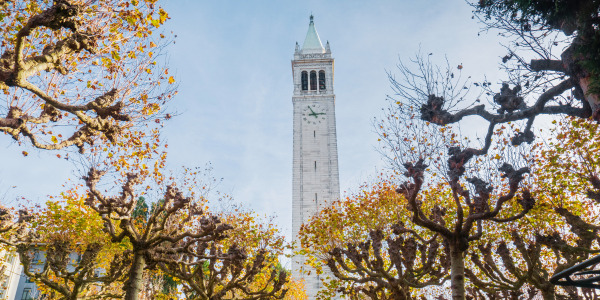
- University of California, Berkeley | Public | Tuition Fees: $55,600: UC Berkeley, a renowned public institution, provides various academic options. Tuition fees for in-state and out-of-state students generally amount to around $55,600 per year. As a leader in activism and innovation, Berkeley excels in STEM, social sciences, and humanities, with alumni including numerous Nobel laureates. The campus fosters entrepreneurship through incubators and hackathons. While costs are higher for out-of-state students, regents’ scholarships and work-study programs help, and the Bay Area location provides access to tech hubs like Google and Facebook for networking and careers.
These tuition fees offer insights into costs, aiding prospective students in choosing between private or public universities. Tuition fees may differ depending on residency status and the chosen program or field of study. Public universities often provide a more affordable pathway to quality education, especially with in-state tuition benefits, though internationals pay higher rates. They typically have larger enrollments, offering diverse extracurriculars and research opportunities funded by state resources. Comparing net costs after aid is key, as many publics have substantial endowment funds for scholarships.
It’s important to note that these estimated costs can vary based on several factors, including the university chosen, the location, and the specific program’s duration. Additionally, these figures represent a general estimate and might change over time due to fluctuations in tuition fees and living expenses. Students should regularly check official university websites for the most current information and consider inflation rates when planning long-term budgets. Engaging financial advisors or using online calculators can help simulate different scenarios based on personal circumstances.
Read also: Savings Tips: Cost of Living to Study Abroad
Popular Courses

Ultimate EducationWhen it comes to choosing a course in the USA, international students have a diverse range of options. Here are some popular courses in the USA and their estimated costs. Selecting a major aligns with career goals and market demand can maximize the value of your investment. Many universities allow flexibility in changing majors, but early research into prerequisites and job outlooks is essential. Networking events and career fairs on campus can provide insights into industry trends and help in making informed choices.
- Engineering: Engineering programs in the USA are highly sought after due to the country’s cutting-edge technology and innovative research. The estimated cost for an engineering degree typically ranges around $70,000 per year. This cost includes tuition fees, living expenses, and other related expenses. Engineering graduates enjoy high employability in sectors like aerospace, civil, and software engineering, with starting salaries often offsetting the costs quickly. Hands-on labs, co-op programs, and industry partnerships enhance learning and provide practical experience, making U.S. engineering degrees globally competitive.
- Medical: Pursuing a medical degree in the USA is a significant commitment, both academically and financially. Medical programs are known for their rigorous coursework and clinical training. The path typically involves undergraduate pre-med studies followed by medical school, with total costs accumulating over several years. Aspiring doctors benefit from advanced facilities and research opportunities, leading to residencies in top hospitals. While expensive, scholarships from organizations like the AMA and loan forgiveness programs for service in underserved areas can alleviate burdens.
- Law: Law programs are popular among students aspiring to become lawyers or legal professionals. This covers tuition fees, law school expenses, and living costs. U.S. law degrees, often JD programs, prepare students for bar exams and careers in corporate law, public interest, or international law. Moot courts, clinics, and internships build practical skills. Costs can be high, but many schools offer merit scholarships, and high-paying jobs in big firms or government can provide quick ROI.
- Life Sciences: Life sciences encompass a wide range of fields, including biology, biochemistry, genetics, and more. The estimated cost of pursuing a degree in life sciences in the USA is about $57,000 per year. This cost includes tuition, laboratory fees, research materials, and living expenses. With growing demand in biotech and pharmaceuticals, graduates pursue roles in research, healthcare, or environmental science. Universities often have state-of-the-art labs and collaborations with industries, offering stipends for research assistants.
- Business: Business programs, including MBA degrees, are highly regarded for their potential to enhance career prospects. The estimated cost for a business degree in the USA is approximately $45,000 per year. This covers tuition fees, study materials, and living expenses. Business schools emphasize case studies, group projects, and global perspectives, preparing for roles in management, finance, or entrepreneurship. Networking is key, with alumni events and clubs leading to opportunities at Fortune 500 companies.
- Arts and Humanities: Programs in arts and humanities encompass a variety of subjects, such as literature, history, and philosophy. This cost covers tuition fees, art supplies, literature, and living expenses. These fields develop critical thinking and communication skills valuable in media, education, or policy. Creative outlets like studios and performances enrich the experience, and grants for projects or study abroad enhance global awareness.
Many International students who wish to study in the USA explore various financial aid options, including scholarships to help alleviate the financial burden associated with pursuing higher education in the United States. Beyond university-specific aid, external scholarships from governments, NGOs, and corporations can provide additional support. Building a strong application with high grades, extracurriculars, and essays increases chances of securing funding.
Read also: Get a better understanding of the importance of GMAT scores in applying to universities abroad.
A Breakdown of the Cost of Living in USA
The cost of living in the USA is a crucial factor that significantly impacts the overall expenses for international students. It varies depending on various factors, including the location of residence, type of accommodation, transportation, dining preferences, and more. Here’s a breakdown of the cost of living in the USA. To minimize costs, students can opt for meal plans, use public transit passes, and shop at discount stores. Tracking expenses with apps and seeking student deals on everything from software to entertainment can stretch budgets further.
- Apartment Housing (Including Utilities): This cost encompasses the annual expenses related to renting an apartment, which may include rent, electricity, water, gas, and other utilities. The range of $17,200 to $21,710 accounts for variations based on location and the type of accommodation. Sharing with roommates can cut this in half, and choosing off-campus housing in suburbs might save more, though commuting costs rise. Always factor in security deposits and furnishings when budgeting.
- Dormitory Housing: This expense pertains to living in on-campus dormitories or university housing. The range of $7,588 to $11,914 takes into account the cost of dormitory accommodation, including utilities and other related fees. Dorms offer convenience, community, and meal plans, reducing transportation and cooking needs. However, they may have rules on visitors and quiet hours, so consider personal preferences for independence.
- Transportation: Transportation costs include expenses for commuting, such as public transportation, car maintenance, or even a bicycle. This figure considers the cost of traveling to and from the campus or other destinations. In car-dependent areas, owning a vehicle adds insurance and gas, while cities with good transit like Boston or Chicago allow savings through monthly passes. Biking or walking promotes health and cuts costs entirely in compact campuses.
- Books and Study Materials: Academic materials encompass the cost of textbooks, notebooks, stationery, and any other resources required for studying. The range of $500 to $1,000 allows for variability in course materials and study resources. Renting or buying used books, using library reserves, or digital versions can slash this expense. Some universities offer textbook scholarships or inclusive access programs bundling costs into tuition.
- Clothing and Footwear: This is the estimated annual budget for clothing and footwear, covering basic attire and any necessary purchases throughout the year. Climate varies widely, so winter gear in the Midwest or light clothes in the South add up. Thrift stores, sales, and student discounts at brands help manage this, focusing on versatile pieces that last multiple seasons.
- Miscellaneous Expenses: Miscellaneous expenses are a flexible budget to accommodate unforeseen or miscellaneous costs, such as personal items, entertainment, health-related expenses, or unexpected incidentals. This category includes phone bills, gym memberships, or travel home. Building an emergency fund and prioritizing needs over wants ensures financial stability throughout the academic year.
These figures offer a comprehensive overview of the various expenses that international students in the USA typically incur over the course of a year. Keep in mind that costs may vary depending on factors like the location of the university, personal spending habits, and individual circumstances. Adjusting lifestyles, such as cooking at home instead of eating out, can lead to significant savings, allowing more funds for experiences like travel or extracurriculars.
Read also: Studying Abroad: A Promising Choice for Your Future
Additional Costs

Ultimate EducationIn addition to tuition fees and living expenses, there are other costs to consider when planning to study in the USA. These often overlooked expenses can add up, so incorporating them into your budget early prevents surprises. From visa processes to settling in, preparation is key to a stress-free start.
- Cost of Student Visa: To study in the USA, obtaining a valid student visa is one of the initial steps. The cost of a US student visa varies, typically ranging from $160 to $265, depending on the type of visa required. There are two associated fees: the SEVIS fee and the Visa Application Fee (MRV Fee). The process involves interviews at U.S. embassies, so travel costs to the nearest consulate should be factored in. Preparation tips include gathering documents early and practicing interview questions to increase approval chances.
- SEVIS Fees: The Student and Exchange Visitor Information System (SEVIS) fee is essential when applying for a US visa. It costs $350 and is necessary for maintaining information about international students studying in the USA. Paid before the visa interview, it’s non-refundable, so ensure your I-20 form is accurate. This system tracks student status, aiding compliance with immigration rules.
- Visa Application Fees: A student visa is required for international students, usually the F1 visa. The F1 visa application fee is $160. Additional costs might include premium processing or reciprocity fees based on your country. Once approved, plan for entry procedures like customs inspections upon arrival.
- Health Insurance: Health insurance is a vital cost to consider, ranging from $500 to $1,000 per year. U.S. healthcare is expensive without coverage, so university plans or private options are essential. Look for policies covering doctor visits, emergencies, and prescriptions, and understand deductibles to avoid out-of-pocket surprises.
- Application Fee: When submitting application forms, students are required to pay a non-refundable application fee, ranging from $65 to $85. Multiple applications increase this, but fee waivers are available for those with financial need. Strategize applications to top choices to optimize spending.
- Counseling Fee: Many students opt for counseling services to receive guidance on intakes, suitable courses, housing, and more. These services can range from free university resources to paid consultants, offering personalized advice on essays, recommendations, and visa prep, potentially saving time and money in the long run.
- Pre-Arrival and Post-Arrival Costs: The cost of studying in the USA can be divided into two categories: pre-arrival and post-arrival expenses. Pre-arrival includes exams like TOEFL ($200+), flights ($500-$2000), and initial deposits. Post-arrival covers setup like phone plans, bank accounts, and orientation fees, easing transition but requiring upfront cash.
Explore the unique Fulbright Scholarship opportunity to study abroad with this prestigious scholarship program. Find opportunities to study abroad and broaden your horizons.
Well, now you know what you need to prepare. Let’s start Ultimate Education to achieve a score that meets the requirements of your target universities. There are many online practice tests available on the internet, but still feeling confused? Ultimate Education offers tailored programs, expert tutors, and resources to boost your preparation, ensuring you stand out in applications and secure your dream spot in a U.S. university.